By Lisa M. Costello, MD, MPH, FAAP and Elaine Darling, MPH
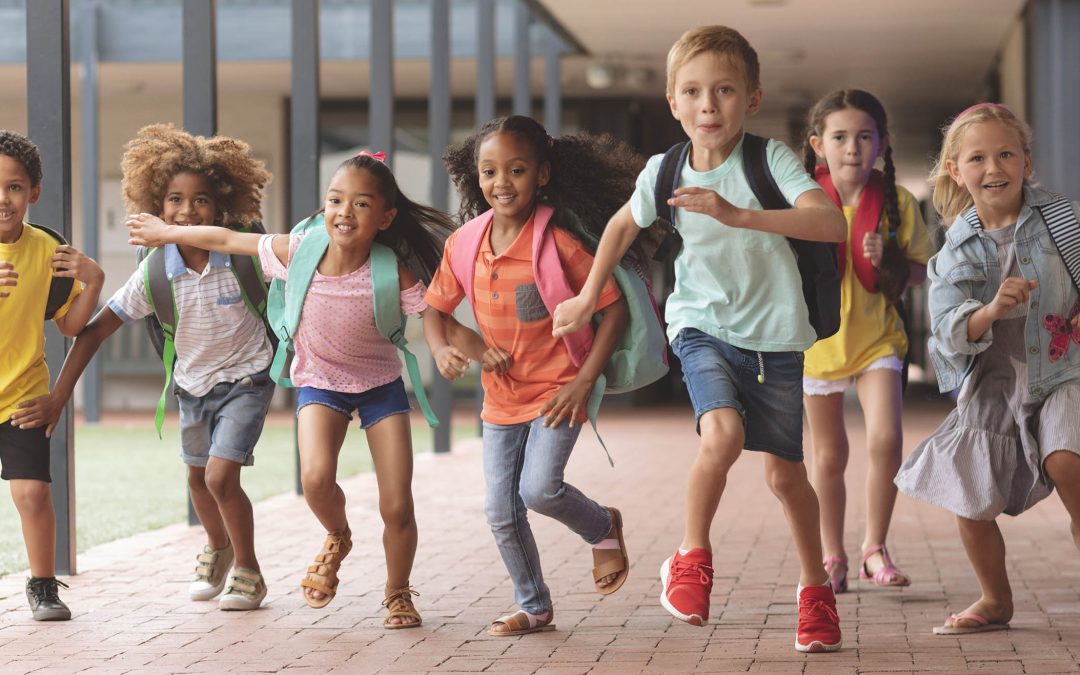
Before we know it, children across the Mountain State will be starting school, meeting new friends and teachers, and settling into new routines. A big part of those routines will be in childcare centers and schools, where most kids spend the majority of their day. This includes our own kids, as we are mothers of children ranging from pre-K through middle school in West Virginia.
In childcare and school settings, children benefit from playing together, eating together, and learning side by side. However, this continuous close contact makes it easy for germs to spread.
Routine childhood immunizations help disrupt the spread of preventable diseases. As a pediatrician and a rural community health expert, we see that most parents in West Virginia want and trust immunization for their children. We also find that there are people curious to learn more.
As West Virginia community health experts and moms ourselves, we respect and appreciate that families want the best for their children, and we want to help families make the best decisions for themselves and their loved ones. While we all prepare for the next school year, we would like to share some background on how and why immunizations work to keep kids, their friends, and our communities safe.
First, what is immunity and how do we build it?
Immunity is Our Body’s Defense Against Disease
Immunity is the body’s ability to defend itself from germs. Immunity to some infectious diseases can be developed in two key ways: 1) by getting sick from a germ or 2) by getting an immunization, if available for that germ (including a pregnant mother getting immunized and passing along some immunity to the baby). Immunization is the safest way to build our body’s defenses.
Immunization is the Safest Path Toward Immunity
Gaining immunity by getting an infectious disease means experiencing illness first, which comes with serious risks of complications or even death. On the other hand, gaining immunity through vaccination means safely teaching the body to recognize and fight an infectious disease without the risks of getting the infectious disease first. Immunization is the safest path toward immunity.
So, how do immunizations work?
Immunizations are Like Teachers
Here’s how it works: Vaccines are like teachers. When your child gets a vaccine, it teaches their immune system to recognize a specific virus or bacterium in the future. Your child’s immune system can best fight germs that it recognizes, rather than those it does not know. This is important because an immunization allows your child to build a defense against the germ without getting the disease to gain immunity.
Teaching your child’s immune system to recognize and fight infectious diseases through immunization is the strongest tool for preventing unnecessary disease, which helps keep kids healthier and in school.
Your Child’s Immunization Protects Them and Others, Too
A question we sometimes hear is: Why does it matter to other people if my child is vaccinated? The answer has to do with community immunity (also known as herd immunity). Community immunity is a barrier of protection that is formed when enough people are immunized in a community to disrupt the spread of disease to those who cannot be vaccinated.
This means that a single child getting immunized can help protect that child, but it is the high rates of routine childhood immunizations across our communities – including that child – that ultimately help prevent outbreaks of diseases like measles and polio, diseases that can seriously harm and even kill children and adults. If there are dips in immunization rates, contagious vaccine-preventable diseases can more easily spread in the community.
Your Child’s Immunization Helps Keep Them and Others Safe in School
Some people are at higher risk of getting very sick or dying from vaccine-preventable diseases. People who are elderly, pregnant, and have weakened immune systems, as well as babies who are not yet eligible for certain immunizations – they all rely on community immunity.
When enough people are immunized, that disrupts the spread of certain diseases, which protects our children and communities. We think especially of the children in class who are immunocompromised, such as a child in treatment for cancer or the kids with conditions like diabetes that can weaken their immunity. We think also of the pregnant teachers, the newborn siblings, the grandparents who help at school lunch or aftercare.
If the number of people who are immunized in a community declines, this can open the door for contagious vaccine-preventable diseases to spread. Community immunity is important not only to the highest risk people but to all of us – we all depend on it to disrupt the spread of preventable diseases and help protect our loved ones.
We Immunize for Our Kids, Their Friends, Our Communities
As our own kids get ready to head back to school, where they will be in close contact with their friends, teachers, and many others, we find comfort in knowing that they are protected and that they are helping to protect others. We keep our children up to date on their immunizations, and we hope that you will, too. From our families to yours, we wish you all a strong, healthy, and happy start to the new school year and beyond!
|
|
| To learn more, we encourage you to talk with a healthcare provider, and find more information from the American Academy of Pediatrics by visiting HealthyChildren.org. |
| Lisa M. Costello, MD, MPH, FAAP, is a lifelong West Virginian and a pediatrician in the Mountain State. She is Chair of the American Academy of Pediatrics Committee on State Government Affairs and past President of the West Virginia State Medical Association.
Elaine Darling, MPH, is Co-CEO and Director of Programs at The Center for Rural Health Development, a nonprofit organization dedicated to improving health and strengthening the healthcare delivery system in West Virginia. The Center for Rural Health Development is based in Hurricane, West Virginia. |