By Lisa M. Costello, MD, MPH, FAAP and Elaine Darling, MPH
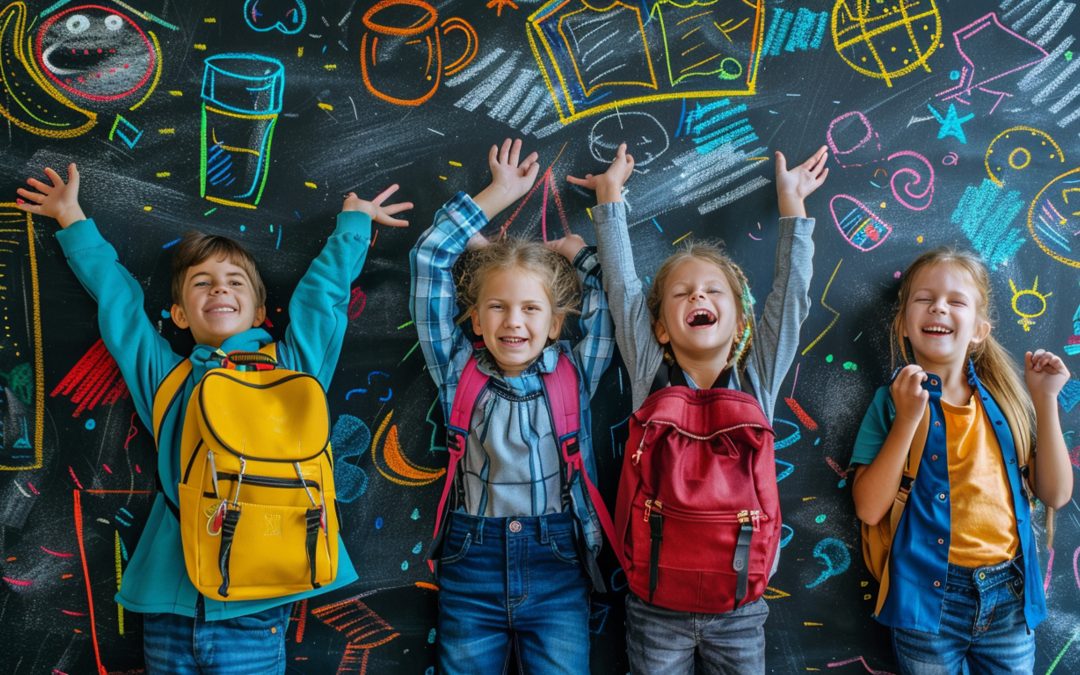
Before kids’ backpacks were zipped and the buses rolled out for the start of the new school year, parents and caregivers put in countless hours setting children up for success. We can vouch for that as two mothers raising our families here in West Virginia, and as a pediatrician and a community health expert.
Classrooms are filled with laughter, curiosity, and potential. They are also filled with kids sharing sports gear and musical instruments, taking turns with markers and glue, trading lunches and sharing snacks – all that close contact is a beautiful part of childhood. It’s also a way we share germs, especially in schools.
With school just starting back and immunization frequently in the news, we are hearing some questions about immunization and why it matters so much.
Immunizations are the safest way we can protect our kids from preventable diseases like measles, rubella, and polio. These diseases can spread easily, particularly in close-contact settings like schools, where kids spend upwards of 8-10 hours a day.
Measles had been kept at bay in the United States for decades because of immunizations. Sadly, this preventable disease has begun surging again in parts of the country where immunization rates have declined, such as in Texas where two children unfortunately died from measles this year. A child of the Mountain State, and a child anywhere, should not die of measles – or any other preventable disease. Fortunately, West Virginia students get immunized to protect against infectious diseases, like measles, before entry into childcare and schools.
When the number of people who are immunized decreases for any reason, an outbreak can quickly spread, even in our small and rural towns. But when enough people in a community have immunity, that disrupts the spread of germs to others.
Yet, how exactly does all this work?
Our bodies are designed with an amazing defense system – the immune system. It fights off germs like viruses and bacteria, and it can best fight the germs it recognizes. Our bodies can recognize and fight the germs we’ve gotten sick with in the past, or our bodies can also be taught to recognize specific germs by getting immunized so that we don’t have to get sick first to be able to fight those germs off. Like a coach for your child’s body, immunizations train it to be ready, strong, and resilient – without needing to suffer the disease itself to build immunity.
Many people in our parents’ and grandparents’ generations did not have the benefit of some of the immunizations that are available today. As a result, many had measles as children and, although those who survived measles developed immunity from the infection, that immunity came with a cost. Measles infection can cause serious health complications, such as encephalitis (brain swelling), pneumonia (infection in the lungs), and death, especially in young children.
Diseases such as measles, polio, and diphtheria are too dangerous of an opponent to take on without the right defense. We don’t want our kids or yours to have to get sick just to build that immunity. We especially don’t want children to get sick with diseases that are preventable through routine childhood immunizations.
We love our own children and care deeply for other people’s children, too. We immunize our own kids to protect them. And we also immunize our kids to protect the people around them as well, especially others who can’t get immunized. We know our kids could be sitting next to a child or teacher whose immune system is weakened by diabetes, cancer treatment, or other medical condition. People with weakened immune systems are more at risk for serious complications from germs, so they need as many people as possible around them to be immunized to disrupt the spread of disease. That’s community immunity.
Community immunity, sometimes called herd immunity, is a shield of protection that’s built up by high rates of immunizations. Community immunity is built by all of us, together – so we are heartened when we continue to see that the overwhelming majority of West Virginia parents and caregivers trust routine childhood immunizations for their children.
If you have questions about immunization, we encourage you to visit healthychildren.org or talk with a health provider. Check on your child’s immunization records to make sure they are up to date on their vaccines. As our own children zipped up their backpacks and headed off to school, we found comfort in knowing they’re not only ready to learn, grow, and make the special memories of childhood – but they’re also protected. And with their up-to-date immunizations, they’re helping protect others, too. For them, for their friends, for our Mountain State communities.
|
|
| To learn more, we encourage you to talk with a healthcare provider, and find more information from the American Academy of Pediatrics by visiting HealthyChildren.org. |
| Lisa M. Costello, MD, MPH, FAAP, is a lifelong West Virginian and a pediatrician in the Mountain State. She is Chair of the American Academy of Pediatrics Committee on State Government Affairs and past President of the West Virginia State Medical Association.
Elaine Darling, MPH, is Co-CEO and Director of Programs at The Center for Rural Health Development, a nonprofit organization dedicated to improving health and strengthening the healthcare delivery system in West Virginia. The Center for Rural Health Development is based in Hurricane, West Virginia. |